2.7 min read
July 14, 2026
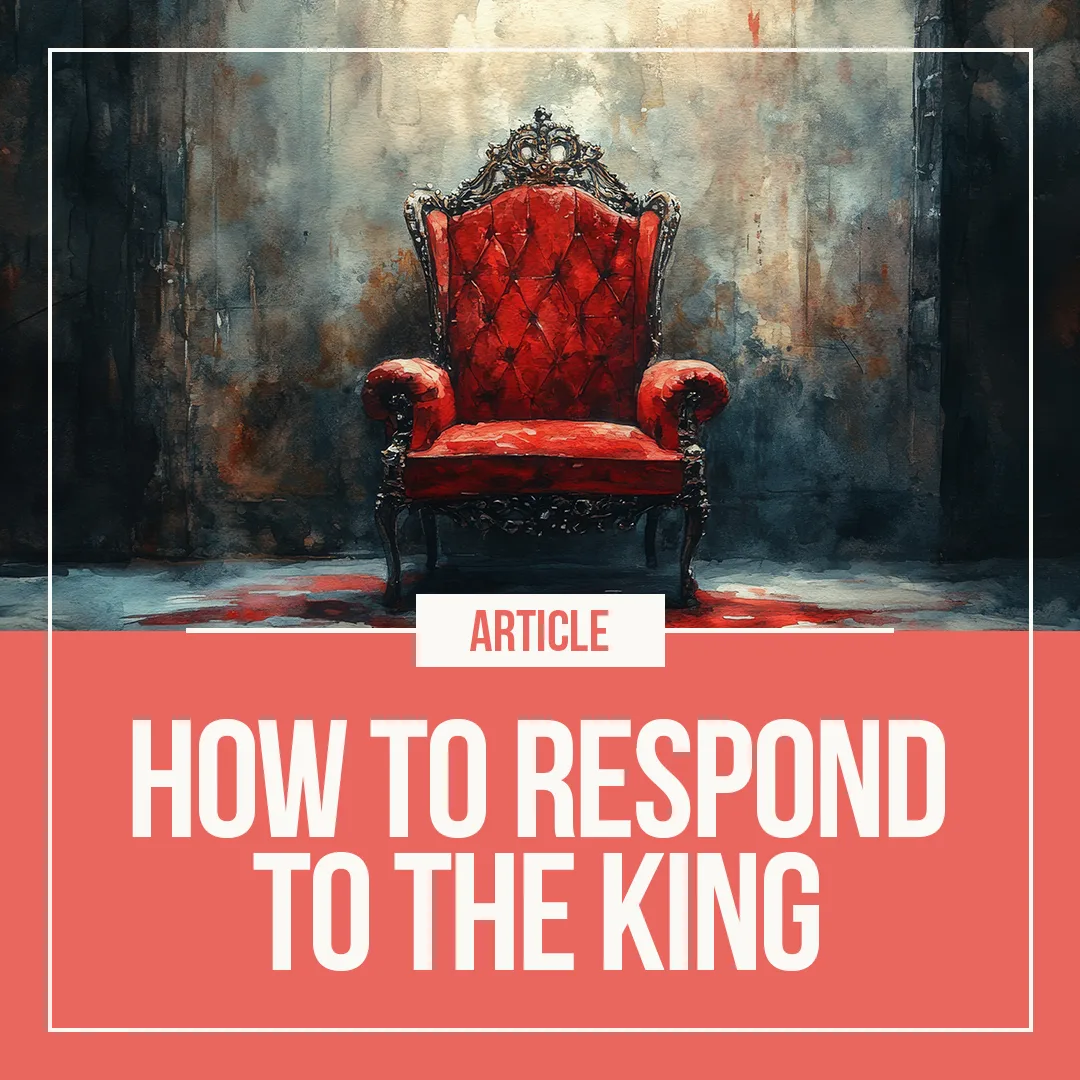
How to Respond to the King
Matthew 21:28-32
“What do you think? A man had two sons…” Matthew 21:28-32, ESV
This month, both Canada and the United States recognized their national beginnings. July 1st marks the Confederation of Canada and July 4th celebrates the Independence of America. While there are fireworks and barbecues on both sides of the 49th parallel, the beginnings are distinct. Confederation and Independence declare two different relationships to the British King.
The Declaration of Independence is a document of autonomy. The Colonies reached for the right to make their own decisions and govern themselves. The declaration listed grievances and explained to the world why their rebellion was just. The freedom they sought came with a cost, paid in battle. In the end, the States cast off the authority of the Crown.
Confederation never did so. Confederation was a policy of cooperation, a sharing of federal and provincial powers. Confederation works under the name and authority of the King. Canada was born through negotiations. In consequence, while the Crown was and is recognized, it tends to be viewed as distant and largely irrelevant to everyday concerns. Confederation doesn’t reject the Crown but rather yawns at it. Not rebellion, but apathy.
Since this is not a political science class, why mention these things? Because, “A man had two sons…” Jesus speaks of a father who sent his two sons into the vineyard. The first son said, “No!” But after a time, he relents and obeys. The second son said, “Yes,” but he never gets around to it. The one son acts as a rebel, the other acts as if it doesn’t matter. While it is true that the first son ultimately does the will of the father, it seems evident that neither rebellion nor apathy are appropriate responses to the father. Yet, we do it all the time.
These paragraphs are not a statement of national morality in either the US or Canada. They do invite each of us to examine our relationship to our King. Faith in Jesus Christ makes us subjects in God’s Kingdom. It is a Kingdom where His Word and Will rule everything. Many of us do not know by experience what it is to live under a monarchy, but I know enough of God’s Kingdom and my own heart to confess that rebellion and apathy are ever-present tendencies.
There are times I want to assert my own agenda and autonomy. Because of perceived grievances I think that going my own way is best. But that comes with a price, and freedom from God’s rule proves not to be freedom at all. Other times I would never say “No,” but try to negotiate a shared power. I’m willing to let God have His say, but from a perceived distance and as largely irrelevant to my day-to-day routine. Before God, my heart can swing between, “You have no right here” and “You have no relevance here.”
Neither rebellion nor apathy are godly responses to our King. In their place we are to offer submission and service, obedience and praise, love and worship. These are the qualities of a citizen of God’s Kingdom. Our earthly journey shapes us for heaven, where the fireworks and celebration will never end.

Written by : Scott Tolhurst
Scott is the Director of Ministry Communications for Back to the Bible Canada. Through 5 decades Scott's passion has been to communicate the Word of God from the pulpit, in group discussions, personal conversations and printed text. He describes his journey as," Moving by love. Borne by faith. Looking with hope. All of it grace.