
5.7 min read
September 17, 2024
How to Pray Without Words
“For God alone my soul waits in silence; from him comes my salvation.”
Psalms 62:1 (ESV)
More Than Just a Monologue
For many, from childhood, we were taught that, “prayer is talking with God.” We learned to recite a nighttime prayer before sleep, to express gratitude in Grace before a meal, to verbalize our concerns, hopes and praise. What we learned at home was echoed in church. Pulpit prayers, prayer meeting around a circle, prayers that were read aloud – all of these modeled articulations of our hearts. We talked to God. Since we were assured that God listens, we filled our time with words. All of this is appropriate. Talking is how we communicate and relate. Language expresses our hearts. Of course, prayer is talking to God; but there is more.
If we view prayer only as telling God what we need or want, we list our petitions, say “Amen” and press on to the tasks of the day. Prayer is shrunk to the sound of our own voice. It is shallow, one sided and self-oriented. We wouldn’t employ that type of communication with our loved ones. Since prayer is a relational connection with God, there must be time and place for God to speak. Of course He speaks through His Word, but how can we create space in our prayers for the Spirit to illuminate and knead His truth into our lives? We may want to change our monologue prayers and make room for silence. Silence in our personal devotions, silence in our sanctuary services, silence in prayers with friends. Silence in the presence of God.
Present in the Silence
Our culture is not known for its silence. Our homes, workplaces, shopping malls and streets are filled with voices, music, commercials, instructions and a cacophony of activity. Even if we try to block out the noise of life, we carry the noise in our heads and hearts. We struggle to be silent within ourselves. We may feel uncomfortable or even bothered by the stillness. Why? Silence feels too much like loneliness.
But silence is not absence. God is always present. He is near to us in the clamour of our day but perceived well in the moments of stillness. When we pray, there is wisdom to create space for silence. Silence does not replace our discoursed prayers, but as an added element, it invites and acknowledges the presence of God. The silence gives time to becalm the scurry of our soul. Silence is intentional attention to God’s presence. Silence is our invitation for God to extend His grace, however He chooses.
Silence Is Surrender
Silence in our prayer life reverses our natural tendencies. It moves our prayers from our own agendas, needs, perceptions of life and yields to God’s rightful dominance. Silence sets aside our advice or assistance, letting God know how He should respond to our requests. By silence we demonstrate our reliance upon God and His ways. We acknowledge that He has the initiative. We assume a posture of listening, not telling. We choose to wait on God in place of taking up our own action. Silence is a surrender to God’s presence and refuses to accept words, actions or thoughts as substitutes. Prayer is not speaking, thinking or feeling about God. Prayer is an engagement with God – even in silence.
Too Weird?
It has been my experience that this type of conversation is foreign for some. Despite the clear Biblical foundation, historical precedent in God’s church and the longing of many souls, this aspect of prayer feels awkward. It is true that anything good can be abused and distorted. That applies to this aspect of prayer as well. We must be led by the teaching of God’s Word. Still, I wonder if much hesitation is rooted in our culture, even church culture. We are enslaved to our noise. We want to be in charge, even of our prayers. We are addicted to action. Yet, the Psalmist points to silent waiting and declares that in this, there is redemption.
In the hope of redeeming our prayer life, how can we practice silence?
- Dismiss the chattering thoughts
Silence is not simply keeping our mouths closed. It is a calming of our thoughts and feelings. It turns our internal attention to God and seeks to keep it there. It is easy to write but hard to do. Most people find that after a few minutes they are flooded with details. Their focus is captured by those details like a dog after a squirrel. Quickly our thoughts wander to anything other than God. But the tantrums of our anxious thoughts and feelings can be tamed. Our internal life, accustomed to noise, can learn the practice of rest and gift of peace.
- Acknowledge God’s Nearness
Silence is an exercise of faith that God is truly present (Heb.13:5). The Bible teaches His nearness. The Scripture declares that the body of a believer becomes His temple (1 Cor.3:16). You are not alone in the silence. Therefore, this is not a search for your true self, trying to delve into the depth of your being. Silent prayer is not an exploration of who you are. It is a recognition that God is here. God is with you in church, heard in His Word, loved in the worship, active in your service, attendant with you in every moment and situation of your life. But now in the silence and stillness, can you trust that He is close? Silent prayer is not an emptying, but a filling of His presence.
- Release Expectations
Often in the silence of our prayers, we expect something to happen. We should hear a voice, feel a feeling, receive some instruction. We measure the quality of our time with God by the product. But God is not enslaved to our expectations. He is never on a leash. He is free to do anything and free to do nothing. Our prayers can’t be measured by what we get out of them – again our self-oriented default. Prayer is a relationship and God in which God gives and receives. He values our heart attention. Four hundred years ago, Francis de Sales wrote that prayer is like standing as servants in the court of the King. We must simply be present. Whether the King chooses to speak or dispatch us, He is pleased to see us waiting before Him.
- Persist
I had to learn how to pray as a child. I had to learn how to pray afresh as an adult.
Learning something new can be challenging. It comes with failures and re-starts.
It isn’t mastered by memorizing the instructions. It is learned in the doing. If you are going to add 10-20 minutes of silence to your prayers, persistence matters.
I have discovered that the importance of wordless prayer is not proved by mastering it, but by continually returning to it despite my failures.
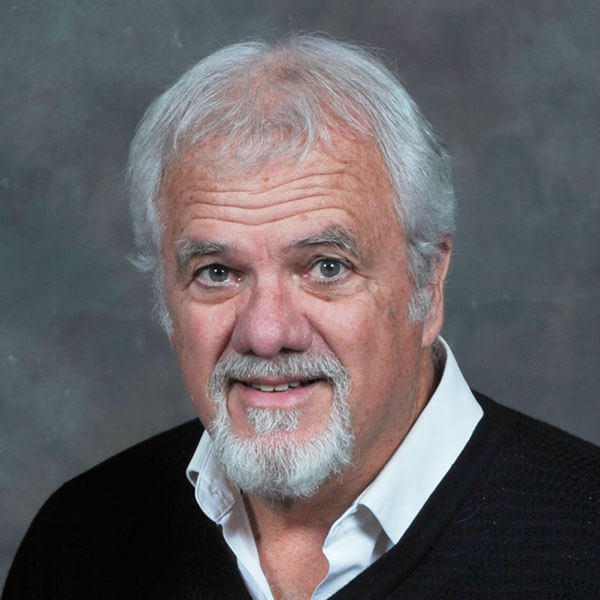
Written by : Scott Tolhurst
Scott is the Director of Ministry Communications for Back to the Bible Canada. Through 5 decades Scott's passion has been to communicate the Word of God from the pulpit, in group discussions, personal conversations and printed text. He describes his journey as," Moving by love. Borne by faith. Looking with hope. All of it grace.