3.5 min read
March 18, 2025
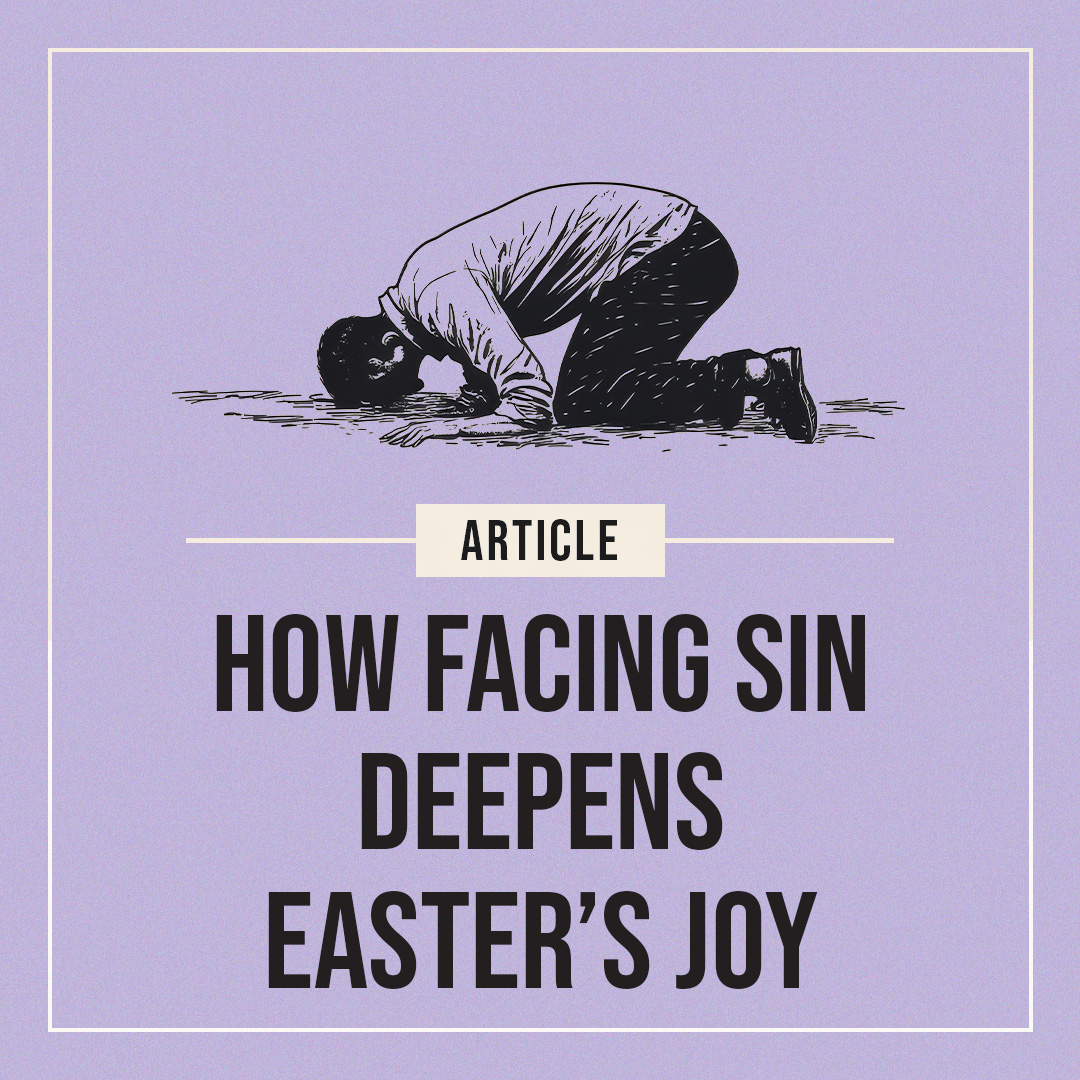
The Uncomfortable Truth: How Facing Sin Deepens Easter’s Joy
Psalm 139:23-24
“Search me, O God, and know my heart! Try me and know my thoughts! And see if there be any grievous way in me, and lead me in the way everlasting!” (Psalm 139:23-24)
Lent is a season to face the truth about our nature and state – and the truth does not flatter us. We are sinners. Even as forgiven children of God, we remain sinners. I say it not to condemn nor depress anyone, but for this simple reason: the events of Easter are cause for eternal celebration. The Gospel of Jesus Christ is good news. We are prone to rushing to the celebration and highlighting the good news. But the Gospel is such good news because the bad news about us is worse than we could ever imagine. Paul breaks into doxology about our great Saviour because he knew himself to be a great sinner (1 Tim.1:15-17). We do our souls no favour by downplaying or denying the weight of our sin. Lent offers a time for reflection.
Reflection is needed because for most people, our fallen state becomes white noise. Since it is continually present, it goes unnoticed (which is another sin!). Living in the dark, many don’t recognize their personal shadows. Most of humanity is climatized to our broken and bent ways. It takes an instance of a major offence like murder or adultery to register on a moral radar. Everything less is, “just the way we are.”
Christians are more sensitive to sin. Our conscience has been awakened by grace. The Scriptures act as mirror for our soul’s reflection. The Spirit leads us into righteousness. But that doesn’t suggest that we can skip an honest inventory. We have our blind spots. So, through Lent consider:
- The sins you see and the ones you don’t.
You can probably name a handful of offences that come to the surface. Anger. Lust. Greed. Pride. Self-centeredness. These lay on the surface of our hearts and minds. But only a fool thinks that there is nothing below the surface. The Psalmist places himself before the scrutiny of God and asks to be measured. “Search me and know me.” God is a thorough and gentle physician and healer.
- The sins committed and the sins of omission.
The Book of Common Prayer offers a daily confession. “We have left undone the things which we ought to have done, and we have done those things which we ought not to have done.” I believe my sins of omission outnumber my sins of commission.
- The sins you shun and the ones you embrace.
Our conscience tends to point to the faults we avoid. We have transgressions we steer clear of, and when we fail, promise to never do again. But there are transgressions that have worked their way into the fabric of our lives, sins we tolerate even nurture. We don’t battle these. We grant them space.
- The sins we do and the sins we are.
Theft is obviously a wrong we can do. Yet if we are envious of something that we would never steal, we are no less guilty for it.
- Your sin against people and your sin against God.
Jesus reduced the Law to a couplet. Love God and love your neighbour. Even when a list of kind deeds and obedient actions is compiled, my greatest sin remains. I do not love as I should.
I recognize that parsing our sinful nature is uncomfortable. It is so disquieting, we don’t do it often or well. We skip over sin with a generalized confession. We slide into morbid introspection, which is an unhealthy form of martyrdom. The intent of Lent is not to inflict us with our sins. It invites us to stop minimizing the size, nature and offence of our fault and guilt. My sin is the cause of the cross. There is nothing small, harmless or acceptable about it. Yet, God’s mercy is also the cause of the cross. If every sin of mine was counted and multiplied by the number of souls who have ever breathed, God’s love and mercy are greater. Grasping the scope of my sin enlarges my appreciation of His grace. Glory to His Name!

Written by : Dr. John Neufeld
Dr. John Neufeld is the national Bible teacher at Back to the Bible Canada. He has served as Senior Pastor, church planter, conference speaker and educator, and is known both nationally and internationally for his passion and excellence in expositional preaching and teaching.