3.9 min read
October 21, 2024
A Biblical Perspective on Elections
We have a Choice
We are surrounded by several election cycles. I write on the eve of a provincial vote in BC. A federal election is looming, and it is impossible to ignore the presidential election in the U.S. I have no comment on which direction any of this balloting could go or should go. I am struck by what a privilege the democratic process is. It is an opportunity for our voices to be heard on things that affect everyone. I encourage every believer to participate in the process before them. I consider it a Christian freedom and duty to vote. Many factors go into the decision we make at a polling station – our moral values, our local context, the quality of candidates, our understanding of what civil authorities should be doing. This last criterion requires a bit of unfolding.
God Still Rules
Christians know that God establishes the governing authorities.
“Let every person be subject to the governing authorities. For there is no authority except from God, and those that exist have been instituted by God” (Rom.13:1).
Paul ties no conditions to his instruction. Whatever authority exists does so by the sovereign purpose of God. Regardless of quality, morality, competence, favourability or effectiveness, the authorities which exist are the servants of God. That doesn’t mean that every authority recognizes God’s hand upon them, nor that they yield to His Word. In fact, most don’t. But we are told that even poor authorities deserve our submission, respect and exemplary conduct (1 Pet.2:13-17). Above all, we are commanded to pray for all who govern (1 Tim.2:1-3). Since God is sovereign, Jesus told us to pray, “Thy Kingdom come.”
It is this petition that is causing problems for some.
Two Kingdoms
How does God unfold His Kingdom so that His will is done on earth as it is in heaven? Increasingly, we see those who claim the name of Jesus looking to earthly powers. It’s as if by choosing the appropriate candidates and using legislative power, civic life may reflect the morals and values of God’s Kingdom. “Christian Nationalism” is an extreme example of those who seek to fuse Christian and cultural identity. But to depend upon political power to establish His Kingdom is not only a mistake, it is misguided. Earthly powers utilize earthly means, which will not and cannot achieve the intended ends.
Jesus said it succinctly.
“My kingdom is not of this world. If my kingdom were of this world, my servants would have been fighting, that I might not be delivered over to the Jews. But my kingdom is not from the world” (Jn.18:36).
To the governor, Jesus pointed to a higher kingdom. Believers live in this world but are citizens of another (Phil.3:20). Living with dual citizenship is a tension. Admittedly, the needs in our community, neighbourhood and country are great. We feel torn, surrounded by so much we disagree with. We feel displaced as society drifts from the moral norms once held. But the answer to this tension is not a dependence upon earthly powers to establish a culture which honours God. The earthly kingdom is not equipped to establish the heavenly one. But that doesn’t mean we are without power on earth.
As Light, Salt, Yeast
I am baffled at times by the authorities God chooses to establish. I do not know what He is doing in the short term. I dare anyone to say they do. But in the long term, His purpose is clear. His Kingdom will come. His glory will shine. Until that time, God rules over presidents, prime ministers, dictators and tyrants among earthly kingdoms. His agency to establish His heavenly Kingdom is the Church.
The Church is His instrument for change in this world. The people of God act as godly influence and hope – like salt and light. The faithful on earth are the true influencers for change. By the witness of His Word and the model of love and truth, the Church infiltrates culture.
With ministries of mercy, the Church makes a godly difference. By the gentle invitation to “Come and see,” lives are made new, families restored, neighborhoods are transformed.
I am not so naive that I can’t see the faults and failures of God’s people. I am one of them! The Church is not as it should be or will be. Nonetheless, it is God’s power on earth for transformation. We cannot abandon God’s established means for the coming of His Kingdom and lean upon a lesser kingdom. We wind up utilizing the wrong powers for a desirable end. Yes, go and vote. But always be the Church of God.
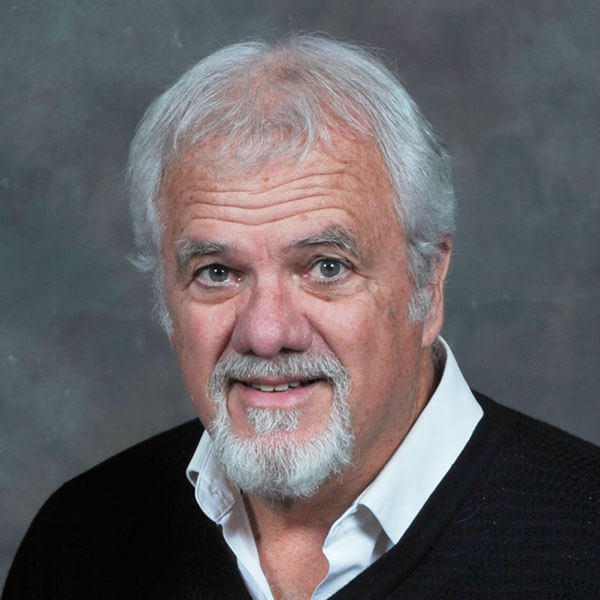
Written by : Scott Tolhurst
Scott is the Director of Ministry Communications for Back to the Bible Canada. Through 5 decades Scott's passion has been to communicate the Word of God from the pulpit, in group discussions, personal conversations and printed text. He describes his journey as," Moving by love. Borne by faith. Looking with hope. All of it grace.